
What are the Biggest AI Threats to Individual Privacy and How to Protect Myself?
The biggest AI threats to privacy include facial recognition, data scraping, and voice cloning. You can protect yourself with strong passwords, limited data sharing, and reliable security software. AI systems now collect and analyze personal data at massive scale.
Understanding each threat makes protection easier to apply.
Key Takeaways
- Facial recognition and data scraping raise major privacy concerns.
- Voice cloning scams are growing more convincing and harder to detect.
- Behavioral profiling can quietly influence prices and decisions.
- Strong passwords and limited sharing reduce personal exposure.
- Staying informed about AI threats to privacy helps you respond faster.
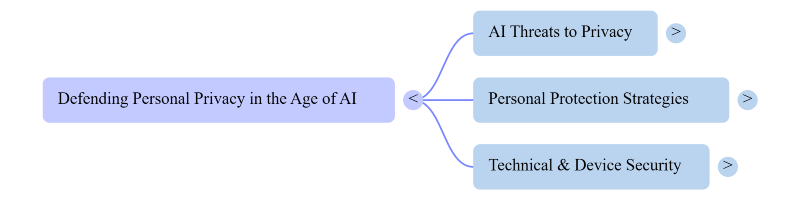
Understanding AI Threats to Privacy Today
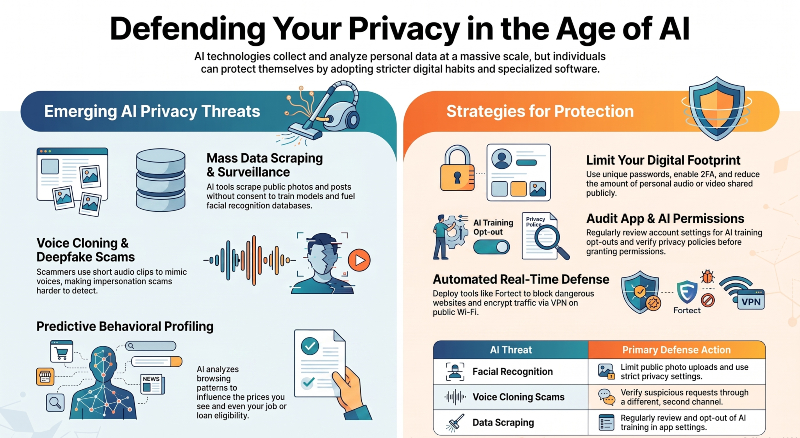
Facial Recognition and Surveillance Systems
Facial recognition tools scan public photos without consent. Retailers and law enforcement use these systems widely. Faces get matched against large databases within seconds. This tracking often happens without any public notice. Limiting photo uploads reduces exposure to these systems.
Data Scraping for AI Training
AI companies scrape public posts to train language models. Personal details often get pulled in without permission. Old posts and photos can resurface unexpectedly. Private accounts and strict settings help limit this scraping. Reviewing app permissions regularly also reduces risk.
Voice Cloning and Deepfake Scams
Voice cloning tools can mimic a person’s voice from short clips. Scammers use cloned voices to impersonate family members. Deepfake videos add a visual layer to these scams. Verifying requests through a second channel prevents most scams. Sharing less audio and video publicly also helps.
Predictive Profiling and Behavioral Tracking
AI models build profiles based on browsing habits. Shopping patterns and location history feed these profiles. Predictions can influence prices and ad targeting. Some profiling even affects loan or job decisions. Opting out of tracking, where possible, limits this exposure.
How to Protect Yourself from These Threats
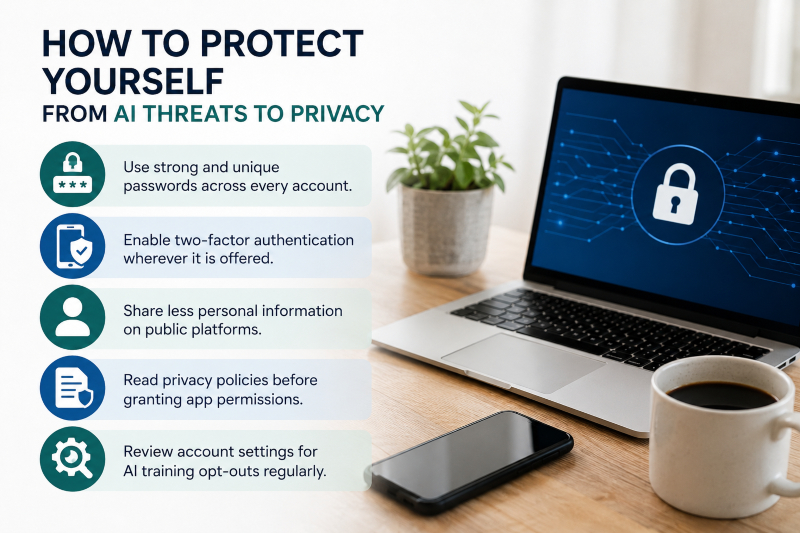
- Use strong and unique passwords across every account.
- Enable two-factor authentication wherever it is offered.
- Share less personal information on public platforms.
- Read privacy policies before granting app permissions.
- Review account settings for AI training opt-outs regularly.
Protect Your Device While You Guard Your Privacy
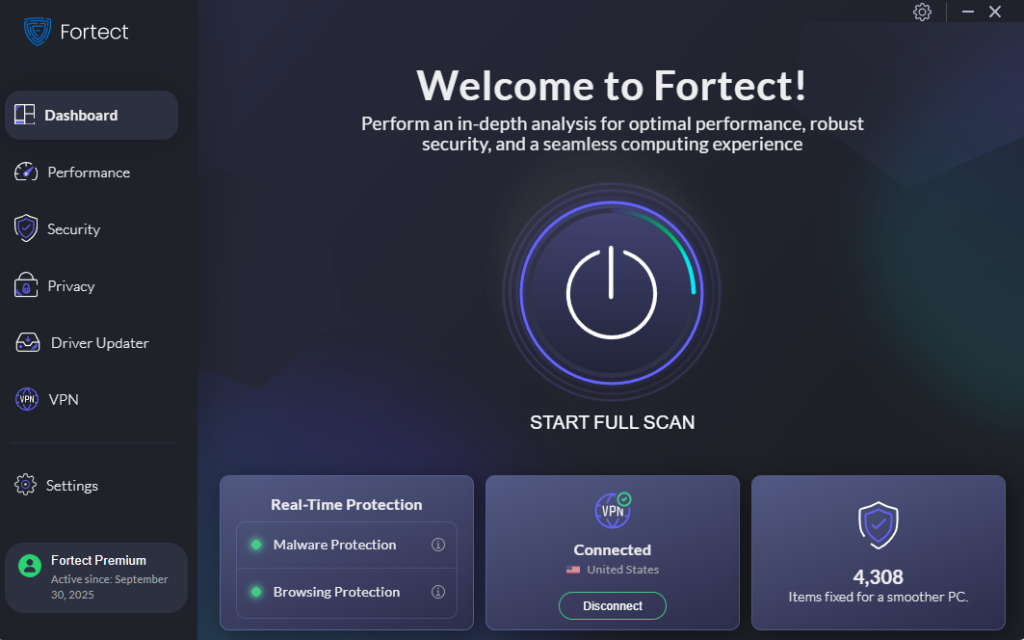
Personal habits address only part of the picture. Device security still plays a major role against AI threats to privacy. Fortect offers real-time protection that scans for hidden threats. It removes malicious files and restores damaged system files automatically. The tool also clears out junk files and crashed programs. This keeps a PC running faster and smoother overall. Fortect Premium now includes a built-in VPN with Auto-Protect on public Wi-Fi. It encrypts internet traffic even on open networks. This shields users from hackers targeting unsecured connections.
Launching Fortect and running a scan checks installed software and drivers automatically. Fortect can be a helpful option for that kind of check.
Download Fortect now for your Windows systems.
One of AI’s biggest threats to privacy is the misuse of stolen personal data for phishing, identity theft, and impersonation scams. For Chrome users, Fortect Browsing Protection helps reduce this risk by blocking dangerous websites before they load, warning you about suspicious pages, and removing harmful browser extensions that could compromise your personal information.




![Beware of these 8 PC Tune Up Tools [Malware Risk]](https://wp-cdn.fortect.com/uploads/2023/04/24173257/speeditup-425x300.jpg)