SOLVED: Adversary-in-the-middle (AiTM) Attack
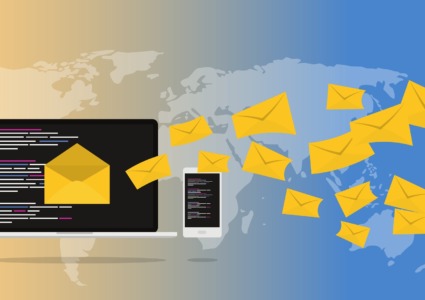
An Adversary-in-the-middle (AiTM) Attack is a cyberattack where an attacker secretly positions themselves between a user and a legitimate service to steal login credentials, session cookies, and sensitive data in real time.
An adversary-in-the-middle (AiTM) attack is dangerous for Windows users because it bypasses traditional protections like passwords and even some forms of multi-factor authentication. Unlike older Man-in-the-Middle (MITM) attacks, AiTM techniques often use phishing proxy and reverse proxy phishing methods that perfectly mimic real login pages, making credential theft and session hijacking much easier for attackers.
How to Stop an Adversary-in-the-middle (AiTM) Attack on Windows
Stopping Adversary-in-the-middle (AiTM) attack requires a mix of safe browsing habits, system protection, and awareness of phishing proxy tactics used to steal sessions and credentials.
1. Recognize fake login pages before entering credentials
AiTM attacks often begin with a cloned website that looks identical to Microsoft, Google, or banking portals.
Always check the domain carefully before signing in. Even small spelling differences or unusual URLs can signal a fraudulent site designed for credential theft.
2. Avoid logging in from email or chat links
Many AiTM attacks start through phishing emails that redirect users to fake login pages.
Instead of clicking links, manually type the official website address into the browser or use trusted bookmarks. This reduces exposure to session hijacking attempts that rely on deceptive redirects.
3. Enable phishing and reputation-based protection in Windows
Windows security tools include reputation-based protection that can block known malicious sites used in Man-in-the-Middle (MITM) and AiTM campaigns.
Make sure Microsoft Defender SmartScreen is turned on. It helps warn users when they are about to visit suspicious or previously reported phishing domains.
4. Use phishing-resistant multi-factor authentication
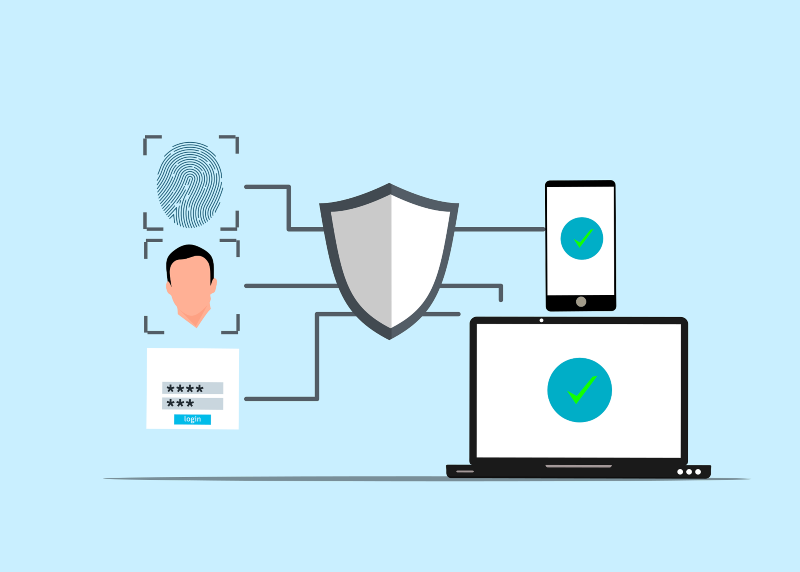
Traditional SMS codes can still be intercepted or bypassed in AiTM attacks.
Stronger options like authenticator apps or hardware security keys help prevent attackers from reusing stolen session cookies.
5. Monitor unusual account activity
AiTM attacks often lead to silent account takeover, where users remain unaware until damage is done.
Check login history on email, cloud, and social accounts regularly. Unexpected logins from unknown locations or devices can signal session hijacking activity already in progress.
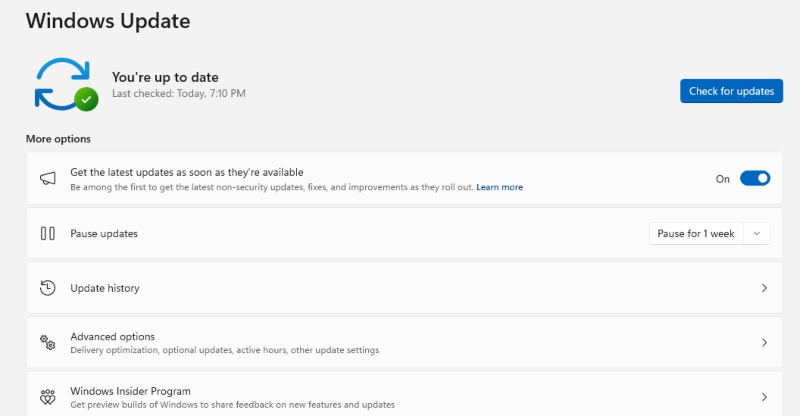
6. Keep Windows and browsers updated
Outdated systems are easier targets for phishing proxy tools and exploit kits.
Regular updates patch security weaknesses that attackers use to intercept traffic or inject malicious scripts. Keeping browsers updated is just as important as updating Windows itself.
Protect Against Adversary-in-the-middle (AiTM) Attacks
AiTM attacks often succeed not because of weak passwords, but because attackers exploit hidden system vulnerabilities and unnoticed security gaps in real time.
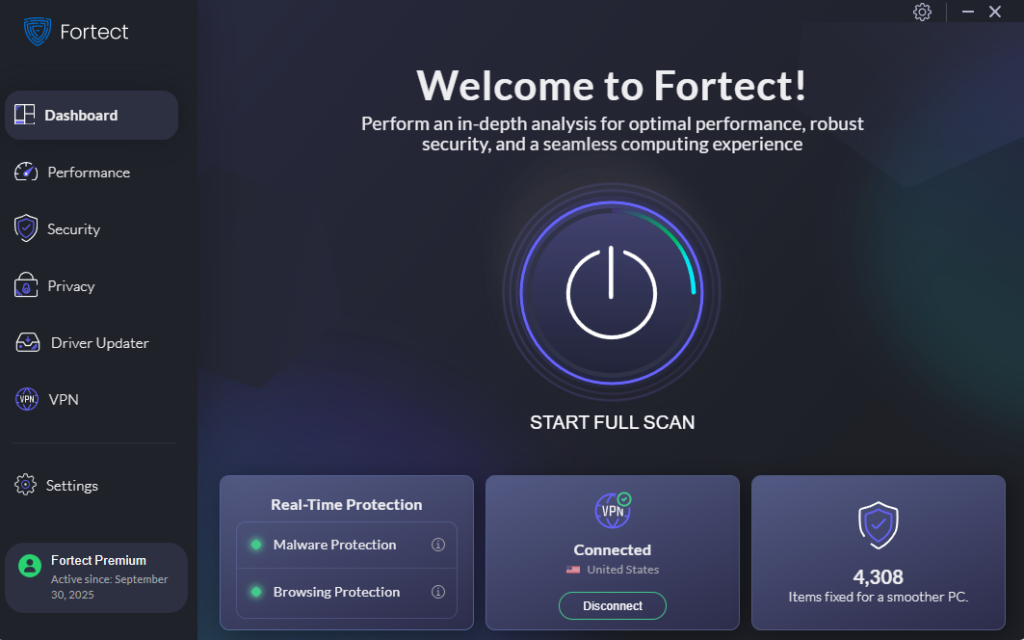
This is where proactive system protection becomes essential. Fortect provides real-time monitoring that helps detect threats like Adversary-in-the-middle (AiTM) attack activity. Fortect blocks suspicious behavior and restores damaged system files that may have been altered during an intrusion. It also helps clean performance-draining junk files and crashed programs that can slow down response times during security threats.
Download Fortect now.
Adversary-in-the-Middle (AiTM) attacks are dangerous because they don’t break security directly; they silently intercept login sessions and credentials by sitting between you and a legitimate website, often through phishing proxies that look completely real.
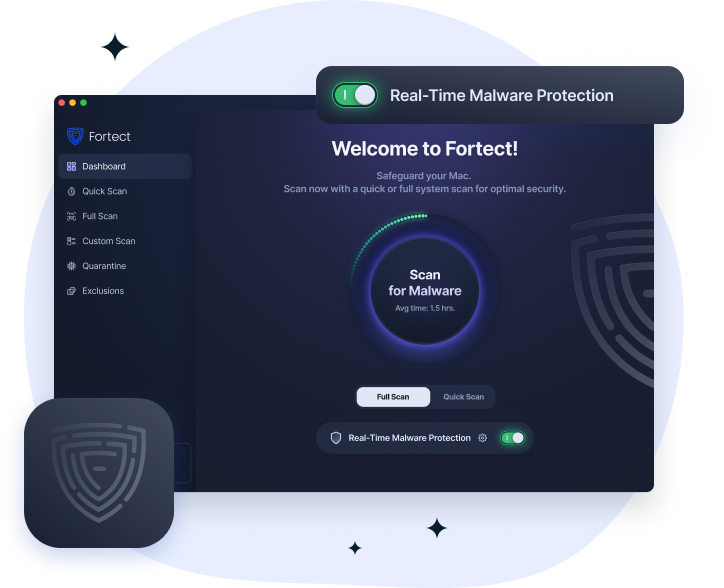
Fortect for Mac helps reduce this risk by adding an extra security layer on top of built-in macOS protections. Its real-time monitoring and cloud-based threat intelligence can help detect suspicious behavior linked to phishing tools or malware used in AiTM campaigns.
While no tool can fully prevent AiTM attacks on its own, Fortect for Mac strengthens overall defense by identifying threats early and helping close gaps that attackers commonly exploit.
Conclusion
An Adversary-in-the-Middle (AiTM) Attack stands out as one of the most dangerous modern phishing threats because attackers steal active sessions, not just passwords, making Man-in-the-Middle (MITM), phishing proxy, and session hijacking techniques more effective than ever.
However, prevention starts with careful browsing habits, strong authentication methods, and a well-maintained Windows system. With the right combination of awareness and protection tools, you can significantly reduce the risk of credential theft before attackers gain control.