Where Can I Find Services to Audit AI Systems for Potential Biases?
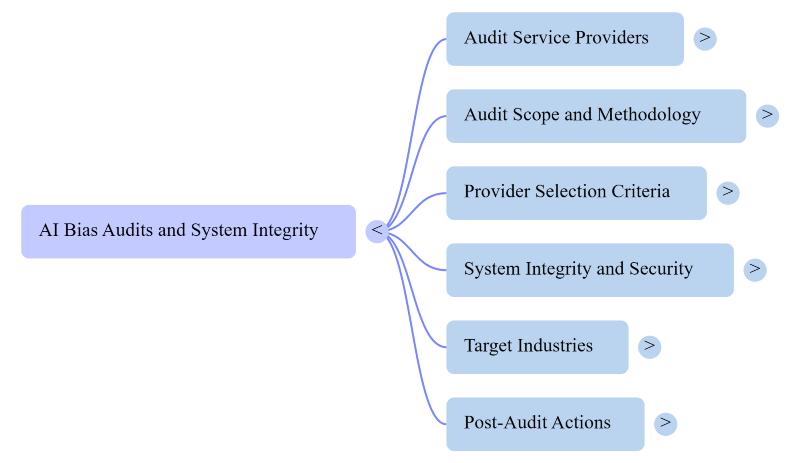
You can find AI bias audit services through specialized firms, academic labs, and compliance consultancies. Companies like O’Neil Risk Consulting, Holistic AI, and BABL AI offer formal audits. Universities such as MIT and Stanford run bias research labs open to partnerships. Big consulting firms, including Deloitte and Accenture, now offer AI governance services too. Government bodies like NIST also publish bias testing frameworks for internal use.
Key Takeaways
- AI bias audit services are offered by specialized firms, universities, and major consultancies.
- Audits test fairness across race, gender, age, and other sensitive categories.
- Choosing a provider depends on industry needs and specific compliance requirements.
- Keeping systems secure and updated supports reliable AI performance during audits.
- Regular AI bias audit services help organizations catch issues before they escalate.
What AI Bias Audits Actually Check
AI bias audit services examine training data, model outputs, and decision patterns. Auditors test for unfair treatment across race, gender, age, or income groups. They review how algorithms weigh different variables during decision-making. Audits often include statistical testing, fairness metrics, and outcome comparisons. Some audits also assess transparency and explainability of the AI system.
Types of Providers Offering These Services
Independent auditing firms specialize purely in algorithmic fairness testing. These firms often work across industries like finance, healthcare, and hiring. Academic institutions provide research-based audits, often at lower cost. Big consulting firms bundle bias audits within broader AI governance packages.
Nonprofit organizations, like the AI Now Institute, offer policy-focused evaluations. Some legal firms now include AI compliance audits as part of regulatory services.
How to Choose the Right Audit Service
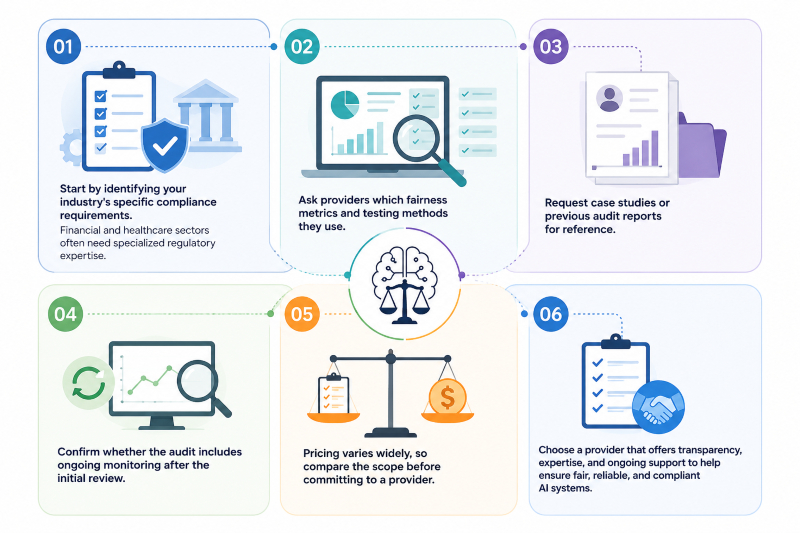
Start by identifying your industry’s specific compliance requirements. Financial and healthcare sectors often need specialized regulatory expertise. Ask providers which fairness metrics and testing methods they use. Request case studies or previous audit reports for reference. Confirm whether the audit includes ongoing monitoring after the initial review. Pricing varies widely, so compare the scope before committing to a provider.
Questions to Ask Before Hiring an Auditor
Ask how the auditor defines and measures bias in AI systems. Confirm which datasets and testing environments will be used. Ask whether the audit covers both pre-deployment and post-deployment stages. Request a clear breakdown of deliverables and reporting timelines. Clarify how findings will be prioritized and addressed afterward.
Protecting the Systems Behind Your AI Tools
Auditing AI systems for bias matters, but system security matters too. Compromised drivers or malware can quietly distort AI performance and data integrity. This is where a tool like Fortect becomes a practical companion step. Fortect’s real-time protection scans for threats that could corrupt system files or interfere with data processing. It detects and removes malicious software before it disrupts your workflow.
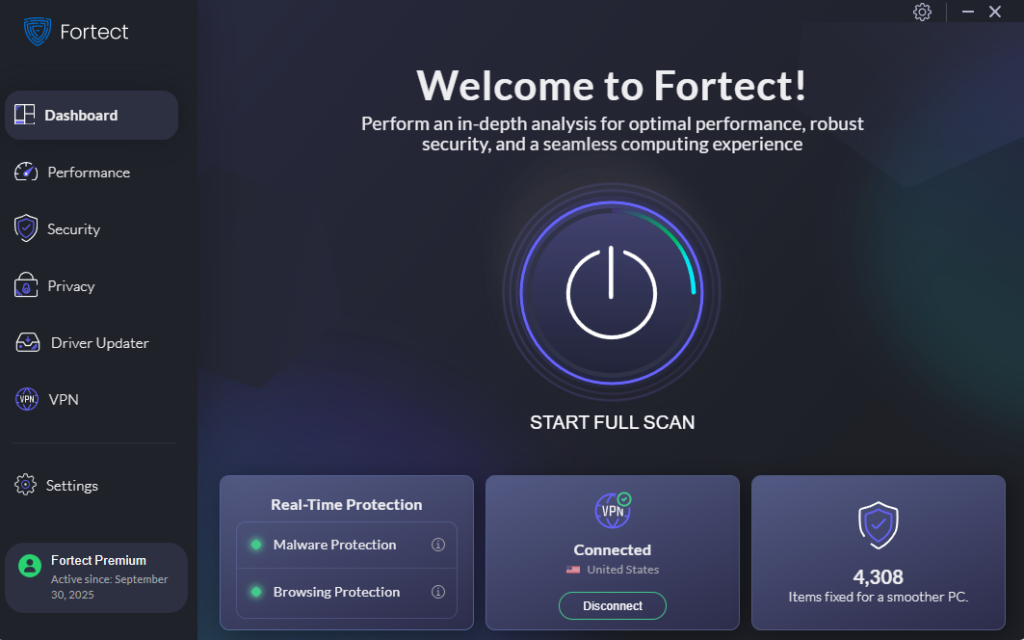
Fortect also handles performance cleanup, clearing junk files and resolving crashed programs for smoother operation. Its built-in Driver Updater replaces outdated or corrupted drivers with verified versions, closing gaps that attackers often exploit. For teams managing AI infrastructure locally, running an occasional system check alongside your AI bias audit services is a sensible habit worth trying.
Staying Secure While Managing AI Workflows
Public Wi-Fi poses real risks for teams working remotely on sensitive AI data. Fortect Premium now includes a built-in VPN with Auto-Protect for open networks. It activates automatically once you connect to unsecured Wi-Fi. This encrypts your internet traffic and keeps data private from potential intruders. Unsecured connections are a common entry point for zero-day attacks. A protected connection closes that risk before it becomes a problem.
Download Fortect now for additional safety.
Industries That Commonly Require AI Bias Audits
Hiring platforms often require audits to meet employment discrimination laws. Lending and insurance companies use audits to avoid regulatory penalties. Healthcare providers audit diagnostic AI tools for demographic fairness. Government agencies increasingly mandate audits for public-facing AI systems. Any organization using automated decision-making benefits from periodic bias reviews.
What Happens After an Audit
Auditors typically provide a detailed report of findings. This includes flagged biases, risk levels, and suggested corrections. Some services offer remediation support to fix identified issues. Ongoing monitoring may be recommended for high-risk AI applications. Organizations often repeat audits after major model updates or retraining.