How to Find Your Windows 10 Product Key
If you need to find your Windows 10 product key, you can check your PC using Command Prompt, PowerShell, or the Windows Registry. You can also check your original Windows packaging, purchase confirmation, or manufacturer documentation.
Keep in mind that some PCs use a digital license instead of a 25-character product key, so there may not be a key to retrieve. Below, we explain each method and how to check whether your Windows 10 installation uses a product key or digital license.
What is a Windows 10 Product Key, and why do you need it?
A Windows 10 product key is a unique 25-character code that authenticates your copy of the operating system. It is required to activate and use the full version of Windows 10 on your computer. With a valid product key, you can use the trial version of Windows 10, which has limited functionality and will eventually expire.
A product key ensures that you have access to all features, Windows updates, and security patches provided by Microsoft.
How to Find Your Windows 10 Product Key
Locating your Windows 10 product key can be done through several methods, ensuring you’re prepared for any software reinstallation or verification needs.
Method 1: Using Command Prompt
One of the simplest ways to find your Windows 10 product key is through the Command Prompt. Follow these steps:
Press Windows + X and select Command Prompt (Admin). Or type cmd in the search bar near the Start button on your Windows PC.
A black screen will appear. Select and run as administrator.
Type wmic path softwarelicensingservice get OA3xOriginalProductKey.
Press Enter, and your product key will be displayed.
Method 2: Using PowerShell
PowerShell is another powerful tool for retrieving your product key:
Open PowerShell as an administrator. Type PowerShell in your search bar near the Start button, and you’ll see a black command screen.
Enter Get-WmiObject -query ‘select * from SoftwareLicensingService’ | Select-Object -ExpandProperty OA3xOriginalProductKey.

Press Enter to view your product key.
Method 3: Using the Registry
For those comfortable with the Windows Registry, here’s how to find your product key:
Press Windows + R, type regedit, and press Enter.
Navigate to HKEY_LOCAL_MACHINE\SOFTWARE\Microsoft\Windows NT\CurrentVersion\SoftwareProtectionPlatform.

Look for the BackupProductKeyDefault entry, which contains your product key.
Threats of Sharing Your Windows 10 Product Key
Sharing your Windows 10 product key might seem harmless, but it can lead to several serious issues.
Risk of Software Piracy
When you share your product key, you risk it being used by unauthorized individuals, which can result in software piracy. This affects Microsoft’s revenue and can have legal repercussions for you, as you might be liable for the illicit distribution of licensed software.
Also, unauthorized use of your product key can lead to activation issues, preventing you from receiving important updates and support. Furthermore, widespread piracy can undermine the overall security and stability of the software ecosystem.
Security Vulnerabilities
Shared product keys can expose your system to security vulnerabilities. Unauthorized users with your key might gain access to your personal information or exploit your system for malicious purposes.
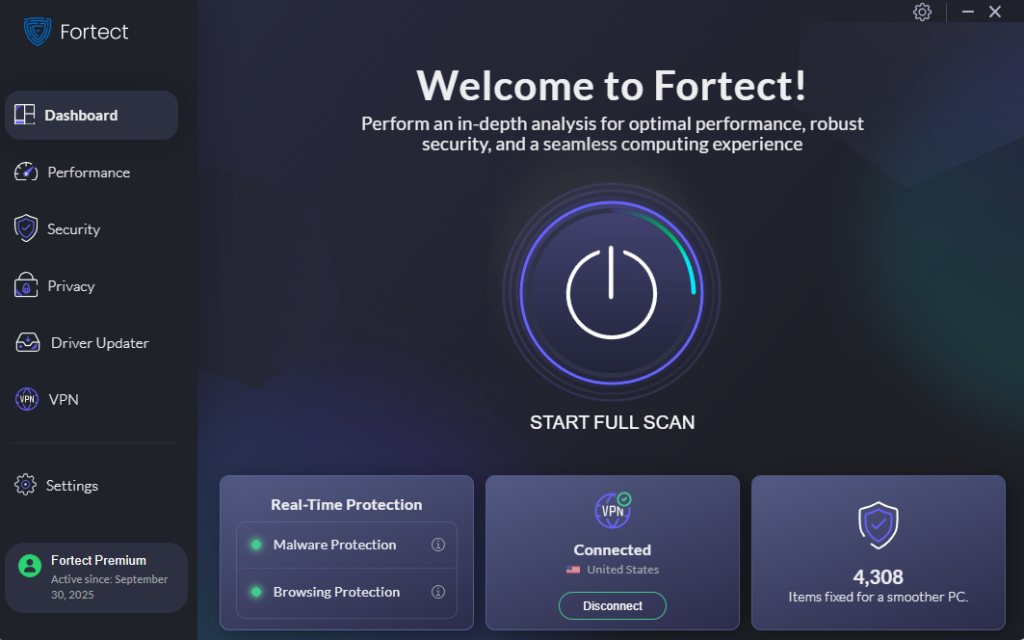
Fortect, an all-in-one solution, can help protect against these threats. Its premium account offers malware and virus damage repair, full system scans, and OS recovery. Fortect compares your operating system to a healthy version, restoring vital files without harming user data. It scans and identifies issues, then applies clean files and settings for smooth performance.

While it does not directly address virus protection or hardware issues, Fortect can detect and repair related software problems, including those from shared product keys.
Install and Download Fortect now.
License Deactivation
Microsoft monitors the usage of product keys. If your key is detected on multiple devices, Microsoft may deactivate it, leaving your system unlicensed and at risk. This deactivation can disrupt your work and access to essential features, forcing you to purchase a new license.
Repeated deactivations can also flag your account, leading to further scrutiny and potential penalties.
_________________________________________________________________________________________________________
Frequently Asked Questions
Open Command Prompt as an administrator and enter wmic path softwarelicensingservice get OA3xOriginalProductKey. Press Enter to check whether your product key appears. This method works only on systems where the key is stored in the firmware.
Yes. Open PowerShell as an administrator and run Get-WmiObject -query 'select * from SoftwareLicensingService' | Select-Object -ExpandProperty OA3xOriginalProductKey. If your key is stored in the firmware, it should appear in the output.
Your PC may use a digital license instead of a 25-character product key. Check Settings > Update & Security > Activation to verify your activation status. You can also check your purchase confirmation, original packaging, or manufacturer documentation.
No. Sharing your product key can allow unauthorized users to activate Windows with your license and may cause activation problems. Keep your key private and share it only when necessary with trusted support channels.
Written by: Menzi Sumile
Reviewed by: Amit
Updated: September 2026